
Welcome to the Colina Group!
Our group strives to understand and predict structure-property relations in functional materials, such as polymeric membranes, biomolecules, and alternative ionic liquids. We use a variety of simulation techniques to gain further understanding of these systems by providing unique insight into structural aspects and phenomena. Complementary to experimental investigations, our work is helping to analyze and interpret experimental results, as well as to predict performance of new materials to guide future experimental design efforts.
We invite you to browse our website to learn more about our research, including recent peer-reviewed publications and conference presentations. Our group is actively involved in several academic and industrial collaborations with theoretical and experimental groups, both nationally and internationally. In addition, our group members are involved in numerous outreach activities. Please check back frequently for updates to our group news and research endeavors.
Research Interests
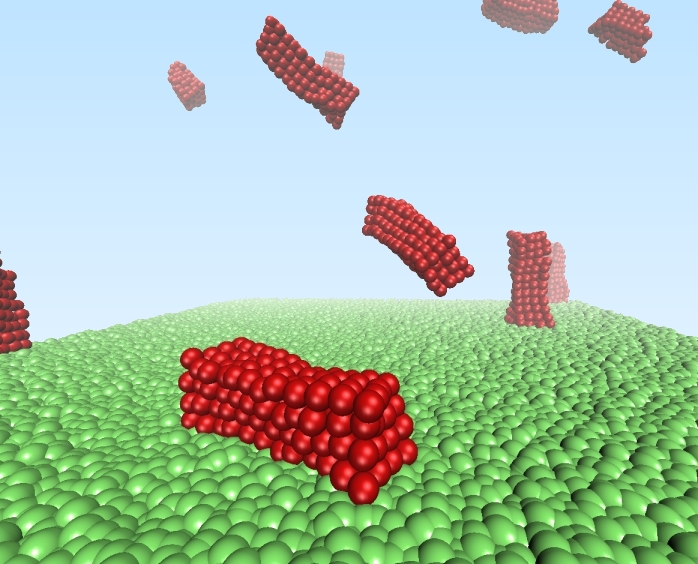 Biomaterials for transport of substances and catalysis of biochemical reactions
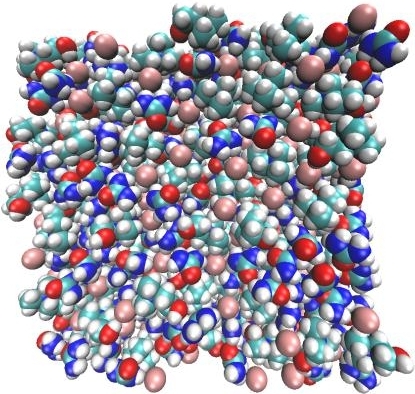 Ionic liquids and deep eutectic solvents for oil recovery and extraction from tar sands
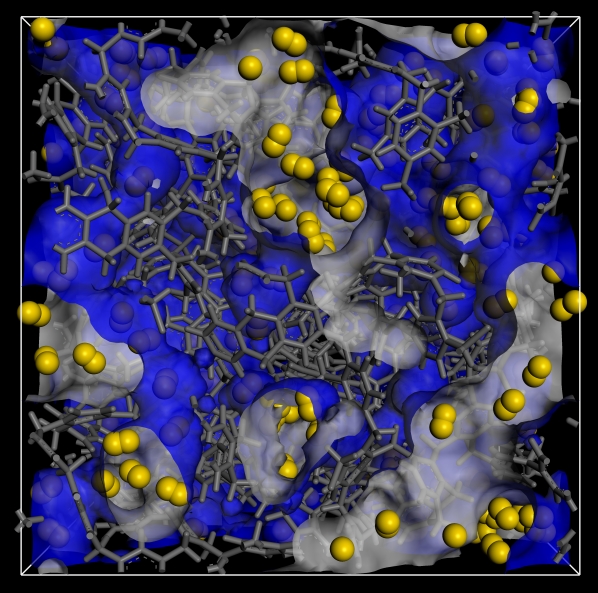 Nanoporous materials for energy efficient gas adsorption and separation applications
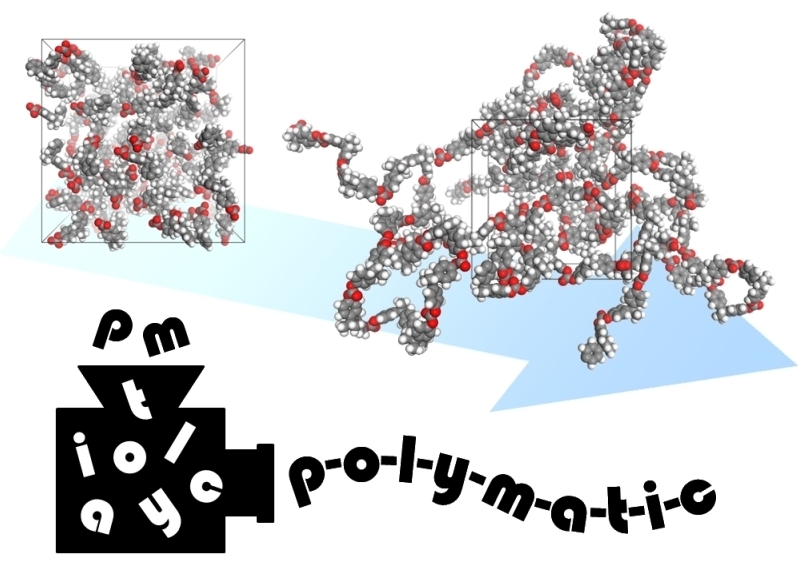 Polymatic, an algorithm for predictive virtual synthesis of amorphous polymers
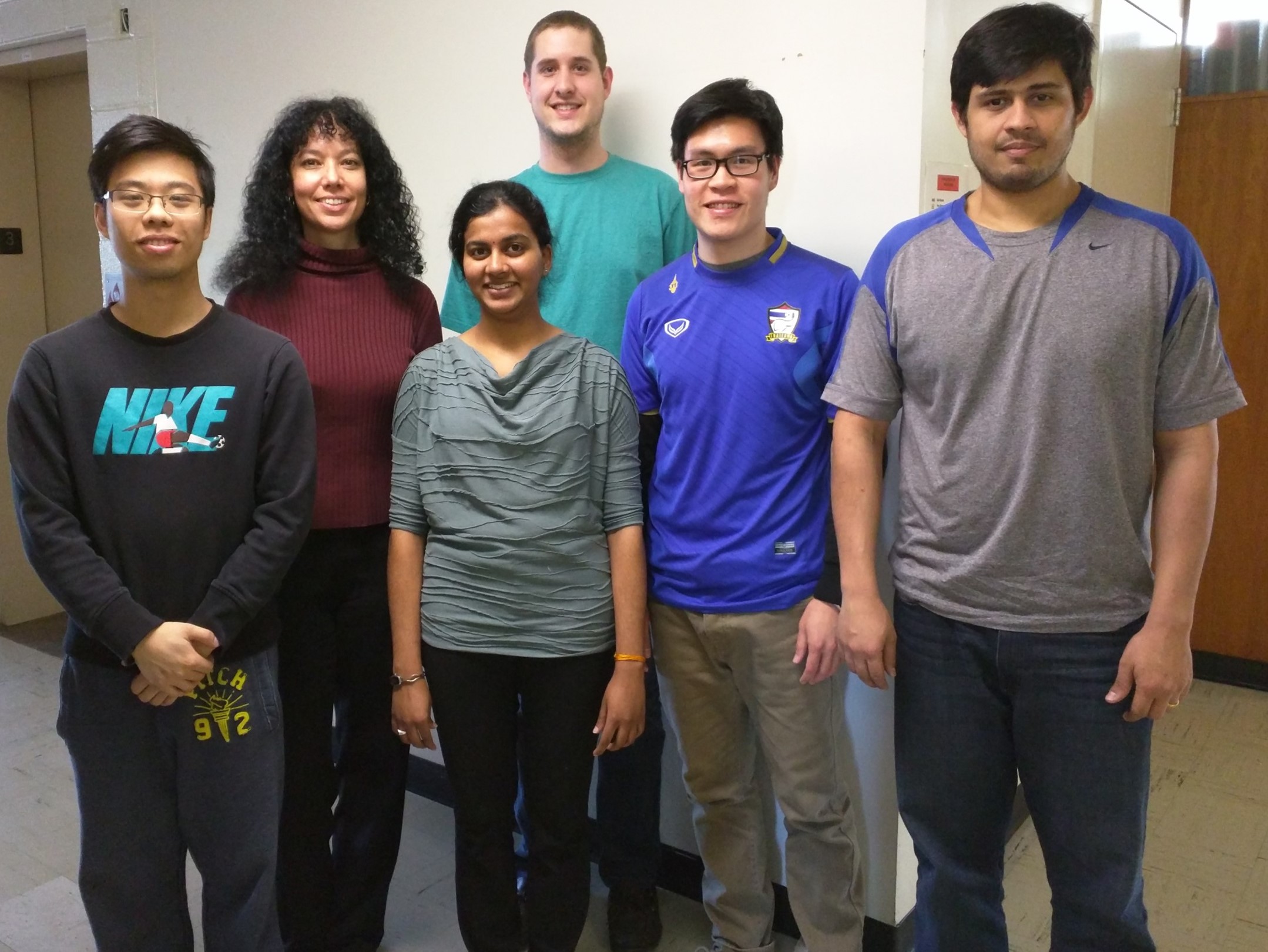
The Group – January 2015
Acknowledgments
Dow Chemical Company | MedImmune | Saint-Gobain | National Science Foundation | National Institutes of Health | Penn State Materials Research Institute | Penn State Materials Simulation Center | Penn State Research Computing and Cyberinfrastructure
